Getty Images
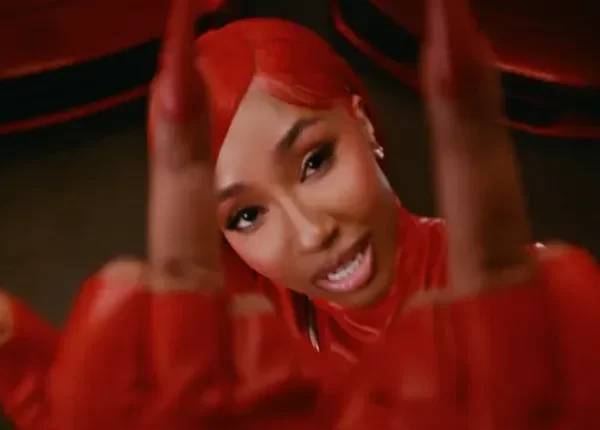
Tyla’s quiet decision to remove Lagos from her upcoming world tour has become the latest flashpoint in the growing diplomatic and cultural rift between Nigeria and South Africa over the treatment of migrants. The Grammy-winning singer now joins a widening list of South African celebrities facing criticism from Nigerians over their silence on the crisis.
A review of Tyla’s official tour website on Friday showed that the Lagos concert, originally scheduled for December 22, had been removed from the itinerary. The revised 34-city schedule now moves directly from international dates to two homecoming shows in Cape Town on January 4 and Johannesburg on January 9, with no stop in Nigeria. Neither Tyla nor her management has said whether the Lagos concert has been cancelled permanently or postponed.
The performance would have marked Tyla’s first headline show in Nigeria and was expected to be one of the highlights of the country’s lucrative “Detty December” entertainment season.
The move is particularly notable given Tyla’s close ties to Nigeria’s music industry. During a visit to the country in late 2024, she met with stars including Rema, Ayra Starr and Tems, and told fans she hoped to return for a full concert. She has also collaborated with several Nigerian artists, including Ayra Starr on “Girl Next Door,” DJ Spinall and Omah Lay on “One Call,” Tems on “No. 1,” and Wizkid on “Dynamite.”
Calls to boycott the concert had been gaining momentum for days. Nigerian commentator Solomon Buchi and media personality Dotun urged fans not to attend, describing the boycott as a response to South Africa’s treatment of foreign nationals.
Public anger has been fueled by several high-profile cases, including the ongoing deportation battle involving former Miss Universe Nigeria Chidimma Adetshina and reports of renewed xenophobic violence, including the killing of Nigerian national Chika Ibe in Cape Town. Activist VeryDarkMan also weighed in on Facebook, declaring that “Tyla Show Will Not Be Happening In Nigeria” while accusing South African celebrities of remaining silent as other Africans came under attack.
An online petition calling for Tyla to be barred from entering Nigeria until xenophobic attacks end in South Africa has attracted thousands of signatures. At the same time, many Nigerians flooded the singer’s social media pages, where the original tour schedule is still displayed, urging her not to perform in the country unless she publicly addressed the violence.
Not everyone supports the boycott. Human rights activist and 2027 presidential hopeful Omoyele Sowore argued that musicians should not be blamed for the actions of their governments. Writing on X, he said public outrage should be directed at political leaders rather than artists and warned against allowing political disputes to undermine cultural exchange.
Tyla has not publicly addressed the removal of the Lagos concert. She has, however, appeared to suggest that fairness should apply on both sides by referencing reports that Nigerian Afrobeats star Ayra Starr was denied entry into South Africa.
She is not the only South African celebrity facing criticism. Comedian Trevor Noah also came under fire after appearing in an advertisement for the Tourism Business Council of South Africa. Critics accused him of promoting tourism while remaining silent on xenophobic attacks, with some commenters describing South Africa as hostile to foreign migrants.
The fallout has been growing for months. Earlier this year, South Africa’s Justice Minister Mmamoloko Kubayi said several South African musicians had already lost performance opportunities elsewhere on the continent because of public anger over the attacks. The tensions also spilled into the 2026 FIFA World Cup, where many African supporters openly cheered against South African teams.
The dispute reflects a broader diplomatic standoff. Nigeria and several other African governments have accused Pretoria of failing to protect foreign nationals from repeated xenophobic violence, while anti-immigration protests within South Africa have called for undocumented migrants to leave the country. Those demonstrations prompted tens of thousands of foreign nationals, including many Nigerians, to return home on chartered repatriation flights.
Efforts to ease the tensions, including recent talks between foreign affairs officials in Abuja, have yet to produce a breakthrough. South Africa maintains that it is taking action against vigilante violence, citing more than 900 arrests linked to recent protests, while insisting it has the sovereign right to enforce its immigration laws.
By: Andrews Kwesi Yeboah